

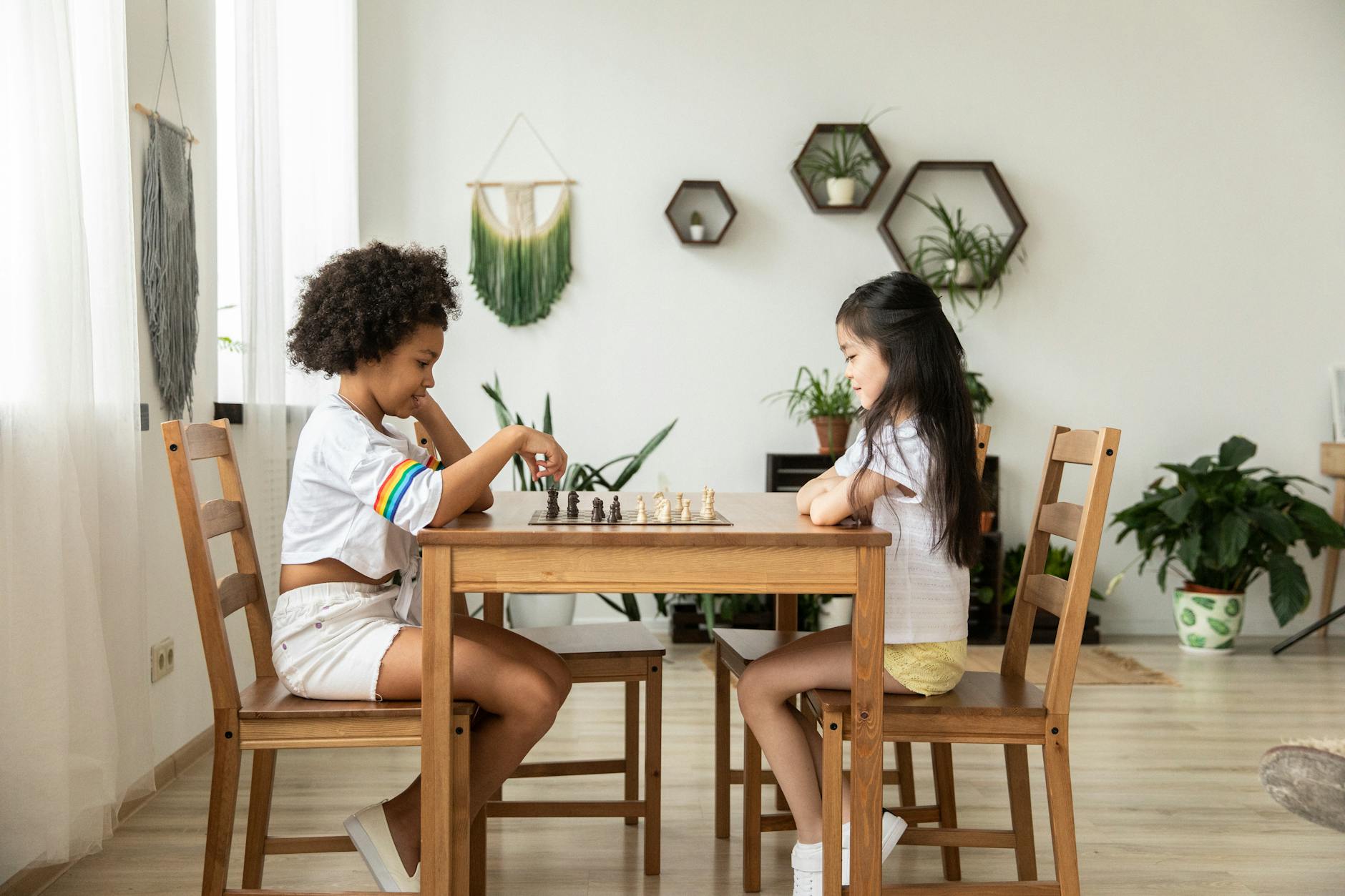
Why Mental Health Awareness Matters in Early Childhood Education in Australia
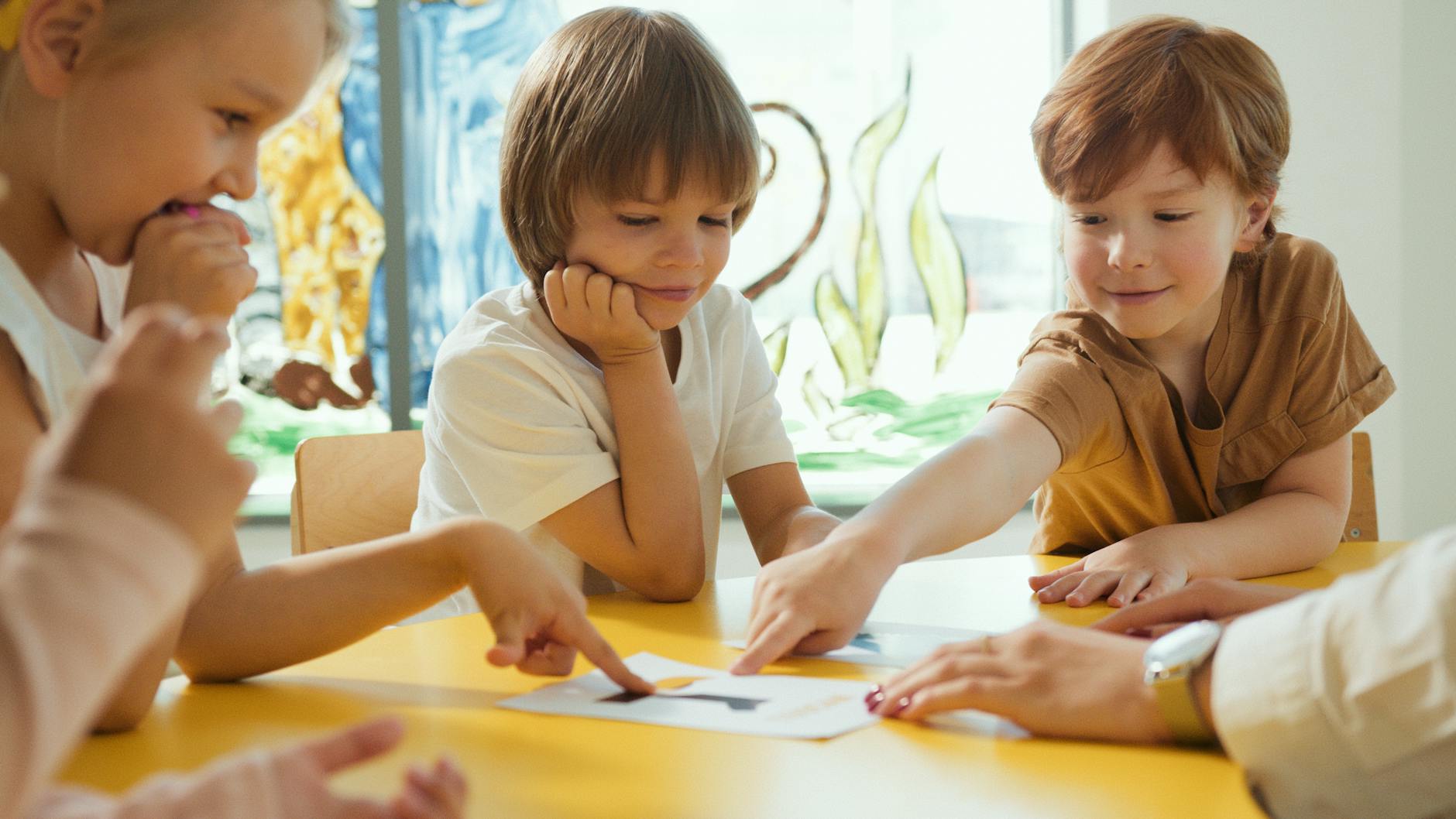
Early Identification Strategies
Recognising Early Signs
Recognising early signs of developmental issues in children can be pivotal in setting them up for success. Spotting behavioural changes, delayed milestones, or any emotional distress early on enables proactive intervention. Imagine strolling through the Royal Botanic Gardens, appreciating the bloom that requires just the right conditions to thrive. Similarly, children flourish when we identify and address their specific needs early.
Screening Tools for Educators
Modern educators have many tools at their disposal for identifying early signs of developmental challenges. These screening tools help teachers measure everything from cognitive development to emotional and social skills. Regular use of these tools ensures that children are assessed consistently, making it easier to notice any discrepancies in their development. Taking advantage of available resources, such as childcare courses online, can enhance a teacher's ability to use these tools effectively.
Importance of Early Action
Early intervention is critical in the field of early childhood education. When educators take swift action based on their observations and screening results, children receive the support they need sooner, leading to better outcomes. This approach is much like that moment when you find the perfect shade of foundation at a cosmetic store in Emporium Melbourne – it makes all the difference in achieving a harmonious look. Early action in education creates a harmonious learning environment where every child can thrive, just as the right foundation creates a flawless complexion.
Building a Supportive Environment
Creating Safe Spaces
Hello Ladies,
Today, let's shift our focus to creating supportive environments, crucial for the well-being of young learners. As an experienced makeup artist in Melbourne, I've learned that just like getting the perfect contour in your makeup, creating a comfortable and safe space for children requires precision and care. One of my favourite local spots, Federation Square, inspires me with its inviting, inclusive atmosphere. Similarly, our aim should be to make our learning environments just as welcoming.
Stress-Reduction Techniques
You wouldn't believe how similar my makeup techniques are to stress-reduction strategies used with kids. Just as a touch of calming, lavender-toned eyeshadow can soothe the senses, stress-reduction techniques help children feel at ease. Consider:
- Mindful Breathing: Simple exercises where children focus on their breath can significantly ease anxiety.
- Calming Corners: Similar to a makeup station set up for comfort, a cosy corner with soft cushions and books can provide a safe retreat for overwhelmed students.
- Art Activities: Much like makeup application is an art form that calms me, drawing or colouring can be therapeutic for children.
I remember discussing these techniques during a workshop for my cert 3 childcare course, realising how impactful they could be in real classroom scenarios.
Emotional Learning Activities
Emotional learning is as essential as creating the perfect look for a night out. Courses like the diploma of community services have highlighted the importance of activities that foster emotional intelligence. Practical activities include:
- Emotion Mapping: Helping children label and understand their emotions.
- Role-Playing: Encouraging kids to act out scenarios to build empathy and problem-solving skills.
As we blend these strategies into our teaching, much like we blend foundation to achieve a flawless look, we empower our young learners to manage their emotions and thrive in a supportive environment.
Cheers, mate.
Collaboration with Parents and Guardians
Effective Communication Methods
Collaboration with parents and guardians is pivotal in the realm of early childhood education. Effective communication methods can help bridge gaps and create a cohesive support network for our young learners. One approach is to set up regular parent-teacher meetings, where we can discuss a child's progress and any concerns. Technology can also be a boon; using apps to send updates and photos from the classroom keeps parents in the loop and strengthens our community.
Workshops and Resources
Offering workshops and distributing resources can significantly empower parents and guardians. Imagine a Saturday morning workshop, held at a community centre near Federation Square, focusing on the benefits of early childhood education and providing strategies for at-home learning. Parents can learn about various topics, from stress-reduction techniques to supporting social-emotional learning. Other resources, like handouts on mindfulness practices, can be invaluable for those unable to attend the workshops.
Building Trust and Support Networks
Building trust is fundamental for maintaining effective parent-educator partnerships. One personal experience that stands out is when I attended a course on a certificate iv in mental health. The knowledge I gained not only helped me better understand my students' needs but also allowed me to offer more informed support to their families. Engaging in transparent communication, being approachable, and showing empathy are critical components in fostering trust. Additionally, creating support networks among parents can provide a robust framework for shared learning and mutual support.
Providing aged care training resources can also be beneficial for grandparents who are primary caregivers. Educating them on contemporary early childhood education methods ensures that our young learners receive consistent support both at school and at home.
Integrating Mental Health Education
Curriculum Adjustments
Integrating mental health education into the curriculum can be a game-changer, especially here in Sydney. Adjusting the curriculum to incorporate mental health topics ensures that children are not only academically prepared but also emotionally resilient. I remember when I guided my niece through a particularly rough patch in school. Just like helping her navigate the latest foundations at Emporium Melbourne, guiding students through mental health education involves understanding their unique needs and offering tailored support.
Role-Playing and Simulations
Role-playing and simulations are effective techniques in teaching mental health concepts. For instance, children can engage in exercises that simulate real-life scenarios, helping them practise responses and develop empathy. I found this method particularly useful during a group activity we had at Federation Square. Just as we blend various makeup styles to create a harmonious look, students can explore different emotional responses, learning to blend their feelings constructively.
Social-Emotional Learning (SEL)
Social-Emotional Learning (SEL) is a vital component of mental health education. It helps children develop essential skills like self-awareness, self-management, and relationship skills. Incorporating SEL into the curriculum can be as straightforward as integrating mindfulness activities or collaborative tasks that promote emotional intelligence. Reflecting on my own experience with ‘cert 3 in individual support,’ these exercises are invaluable in supporting the holistic development of the children.
Balancing professional and personal growth, like juggling between aged care courses and makeup consultations, empowers us to provide the best for our students. Incorporating mental health education not only boosts students' emotional wellbeing but also creates a nurturing environment, making your classroom a haven for growth and learning.
Challenges and Best Practices
Addressing Stigmas
Navigating the stigma surrounding early childhood mental health can be daunting. I've found that honest conversations with parents and colleagues are pivotal. Open dialogue destigmatizes mental health and fosters an environment where children feel supported. Using inclusive language and creating awareness within the school community are steps in the right direction.
Balancing Academic and Emotional Needs
Balancing academic achievement with emotional well-being is key in early childhood education. It's a bit like finding the perfect blend of foundation and concealer to create a flawless complexion. Setting realistic goals that accommodate both learning and mental health ensures comprehensive child development. Integrating online counselling services into your routine can provide an additional layer of support for children struggling with emotional issues.
Ongoing Professional Development
Continuous learning is essential in our ever-evolving field. Attending workshops, like the ones held at Federation Square, and participating in professional training programs, can enhance your skills drastically. Investing time in workshops on early childhood mental health intervention strategies keeps us updated with the latest techniques and ensures we're providing the best care for our little learners.
By embracing these practices, you can create a harmonious educational landscape where children's mental and emotional needs are just as important as their academic success.